Study: More Americans Using Drugs/Marijuana To Sleep
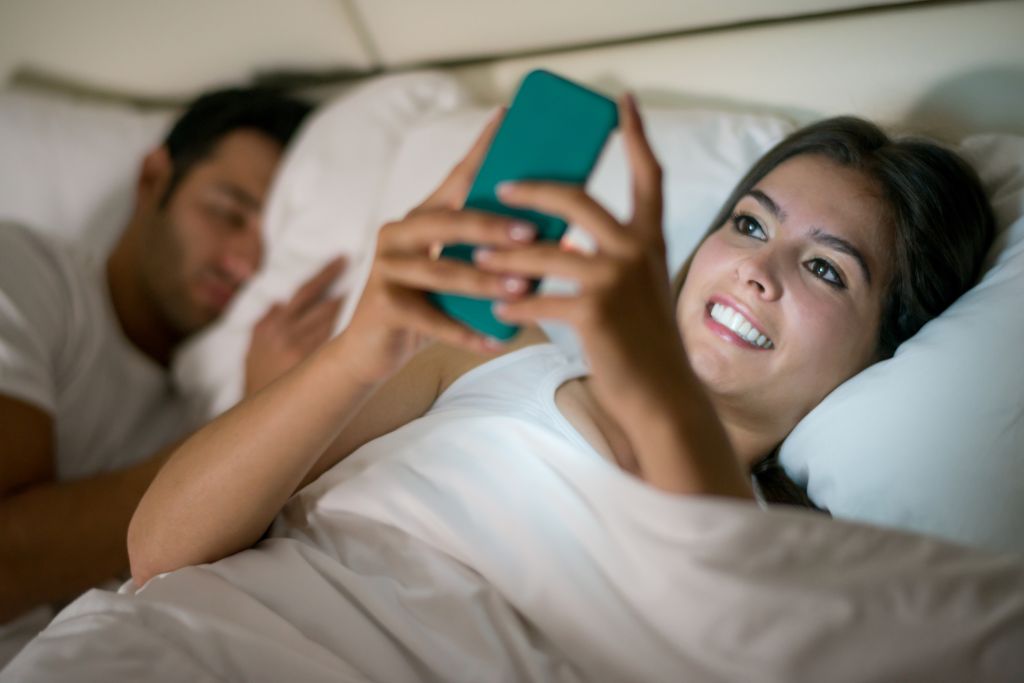
A new health survey indicates more and more Americans are using drugs and marijuana to get to sleep. Dr. Joe Galati says any drug, whether it’s edibles or even melatonin, doesn’t get to the core issue which could be anything from sleep apnea to restless leg syndrome or simply anxiety. Dr. Galati says if you routinely resort to drugs or medications to fall asleep, you risk addiction and withdrawal symptoms if you try to get off the drugs. He strongly suggests ending your screen exposure two hours before bedtime, if you have sleep issues.
Some 5.2 percent use prescription sleep medications, 5.7 percent use over-the-counter medications or supplements like melatonin and 3.7 percent use marijuana or CBD products, according to new reports from the U.S. Centers for Disease Control and Prevention.
The percentages are up markedly from the agency’s first estimate of prescription sleep aid use in 2013, which showed that about 4 percent of adults aged 20 and older had used prescription sleep aids in the past month. That research did not include cannabis products, which have gained popularity and legality in recent years.
The researchers did not suggest reasons why more people were using these products, but reflect data showing Americans are struggling to get the federally-recommended seven hours of shut-eye for optimal health.
“These data suggest that people often self-medicate to alleviate sleep difficulties,” Naima Covassin, an assistant professor of medicine at the Mayo Clinic, told Bloomberg. Covassin was not involved in the new research. “This pattern parallels the trend in reported sleep difficulties, which have been increasing over time.”
The use of any sleep aid increased with age again, too. But the use of marijuana and CBD products for sleep declined with age.
This time, the researchers did not look at how prescription sleep aid use varied by sleep duration. In 2013, it was highest among adults who sleep fewer than five hours a night, or more than nine hours.
The new data showed that three in 10 adults reported getting fewer than seven hours of sleep on average.