Why weather protection is a key factor in RV storage
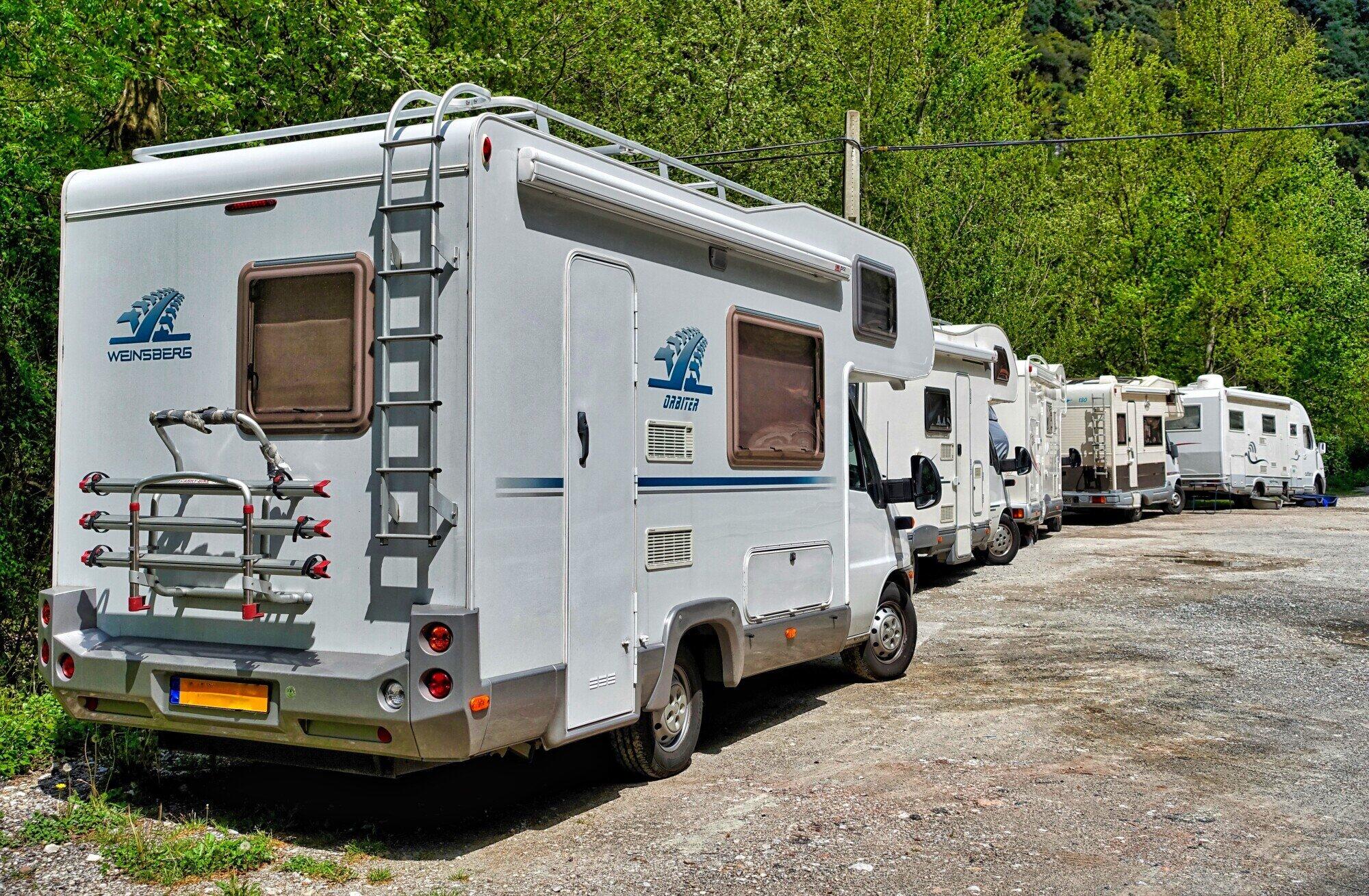
Weather protection is important for RV storage since it prevents sun and UV damage, and it protects against rain, snow, and moisture damage. It also reduces wear from wind, debris, and storms, and it helps preserve long-term value and performance.
The Recreational Vehicle Industry Association (RVIA) reports that in 2025, 8.1 million American households owned an RV. An additional 16.9 million households show interest in owning an RV in the next five years.
These vehicles don’t come cheap, so the method of storage when not in use is crucial. Weather protection is necessary, and these are the reasons why.
Does It Prevent Sun and UV Damage?
One of the biggest threats to an RV is prolonged exposure to sunlight and ultraviolet (UV) rays. Constant sun exposure can:
- Fade exterior paint
- Crack rubber seals
- Dry out tires
- Weaken plastic components
The interiors are vulnerable, too. For example, the UV rays can damage:
- Upholstery
- Dashboards
- Curtains
- Flooring
Using weather-protected RV storage can help shield the vehicle from these harmful effects, and this can preserve both its appearance and structural integrity. You can reduce maintenance costs and help your RV stay road-ready.
Protects Against Rain, Snow, and Moisture Damage
Rain, snow, and excess moisture can all cause serious issues for RVs that are left exposed outdoors. Water intrusion can lead to:
- Roof leaks
- Mold growth
- Rust
- Corrosion
- Damage to electrical systems
Snow accumulation and freezing temperatures during the winter months can put additional stress on your RV’s roof and plumbing systems. This makes protecting your RV from the weather even more important.
Weather-protected storage helps reduce these risks by limiting direct exposure to precipitation and moisture buildup. Enclosed facilities and covered storage spaces provide a much safer environment, so they’re top for our RV storage tips.
Reduces Wear From Wind, Debris, and Storms
The effects of weather on RVs can be brutal; strong winds and severe storms can quickly damage an unprotected RV. Flying debris, fallen branches, hail, and dirt carried by heavy winds may:
- Dent the exterior
- Crack windows
- Scratch paint surfaces
Putting your RV in weather-protected storage provides a safer environment, which is especially valuable during hurricane season or in areas known for frequent storms. You can keep your vehicle in better condition and avoid costly insurance claims or repairs by minimizing weather-related wear.
Does It Help Preserve Long-Term Value and Performance?
Our RV maintenance advice is to reduce exposure to harsh outdoor conditions, as it can accelerate aging and negatively impact both appearance and mechanical performance. RV storage facilities in Washington can help maintain the condition of the vehicle, as it’ll have a stable environment throughout the year.
These storage facilities also help preserve important systems, such as:
- Batteries
- Tires
- Plumbing
- Electrical components
Another benefit is that routine maintenance becomes easier when the RV is stored in a cleaner, safer location.
Weather Protection Is Vital for RVs
Most RV owners don’t use their vehicles all year round, so weather protection is vital when they’re not traveling. Putting RVs in storage units can be beneficial, as they’re secure and shielded from the elements.
Keep reading our website if you want more interesting articles.