Civilian contractors overseas: The workforce nobody talks about
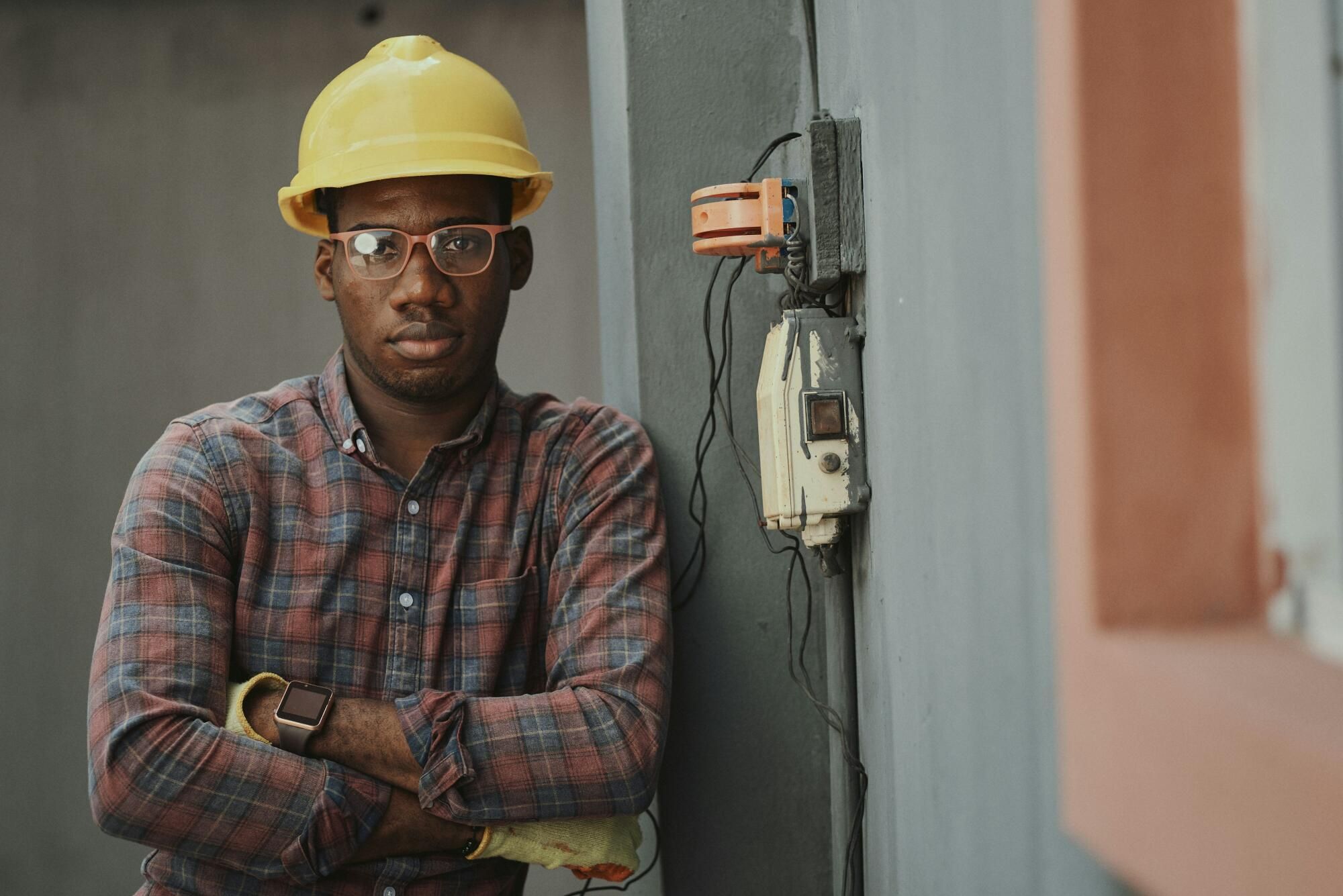
Some reasons civilian contractors support overseas operations are that they are in charge of a wide range of responsibilities, they support global operations in various ways, and specialized knowledge is in high demand in military operations.
When people think of overseas operations, they often think of military personnel or diplomats. There is another group of people who are quietly supporting missions around the world every day, and that’s the civilian contractors.
These professionals are involved in providing a wide variety of essential military support services and products to help government agencies, international organizations, and private companies, thus ensuring that they operate efficiently in difficult environments. Even though their work takes place behind the scenes, they are invaluable.
If you are wondering about what exactly this kind of international contract work involves, you are in the right place.
A Wide Range Of Responsibilities
Civilian contractors perform jobs that span numerous industries and specialties. Depending on the project, they may:
- Maintain infrastructure
- Provide communications support
- Manage supply chains
- Repair equipment
- Construct facilities
- Deliver medical services
- Oversee transportation operations
Others specialize in information technology, cybersecurity, aviation maintenance, environmental services, or project management. Their technical expertise allows organizations to access specialized skills without permanently expanding their workforce.
Supporting Global Operations
Many overseas projects require complex logistical coordination, much of which happens without the awareness of the general populace.
Civilian contractors help in locations where reliable infrastructure may be limited, with:
- Moving equipment
- Maintaining facilities
- Managing inventories
- Coordinating transportation
Their planning and operational support allow organizations to focus on their primary missions while ensuring essential services remain available.
In many cases, these professionals work alongside local employees, government personnel, and international partners. Successful collaboration is essential to accomplishing project goals.
Specialized Knowledge Is In High Demand
Many contractor positions require highly specialized experience. The following expat contractors are often needed to support projects in diverse locations:
- Engineers
- Electricians
- Mechanics
- Healthcare professionals
- Telecommunications specialists
- Heavy equipment operators
- Software experts
- Skilled tradespeople
Certifications, technical training, and prior professional experience frequently play an important role in qualifying for these assignments. Continuous learning helps contractors adapt to evolving technologies and changing project requirements.
Adapting To Unique Environments
Overseas employment often presents unique professional challenges.
Contractors may operate in remote areas, unfamiliar climates, or locations with different cultural practices and regulatory requirements. Flexibility, problem-solving abilities, and strong communication skills help individuals adapt to changing conditions while maintaining high professional standards.
Career Opportunities Continue To Expand
The demand for skilled civilian contractors remains strong across many sectors. This is due to the development of:
- Global infrastructure
- Humanitarian initiatives
- Energy development
- Technology projects
- International operations
Many assignments also provide valuable professional experience working with multicultural teams and complex global operations. International experience can broaden both technical and leadership skills.
The only thing you have to be careful of is protecting your rights while you are abroad working on these contracts. Having access to a Defense Base Act lawyer can be helpful when you feel your rights are being infringed upon.
Civilian Contractors Are a Crucial Part of the Overseas Workforce
Are you interested in overseas employment? Consider civilian contractors who are involved in providing essential services to the military abroad. It’s an important role with lots of opportunities and challenges.
Please check out related articles on our website for more interesting content.