The features making Dallas homes more resilient in a changing climate
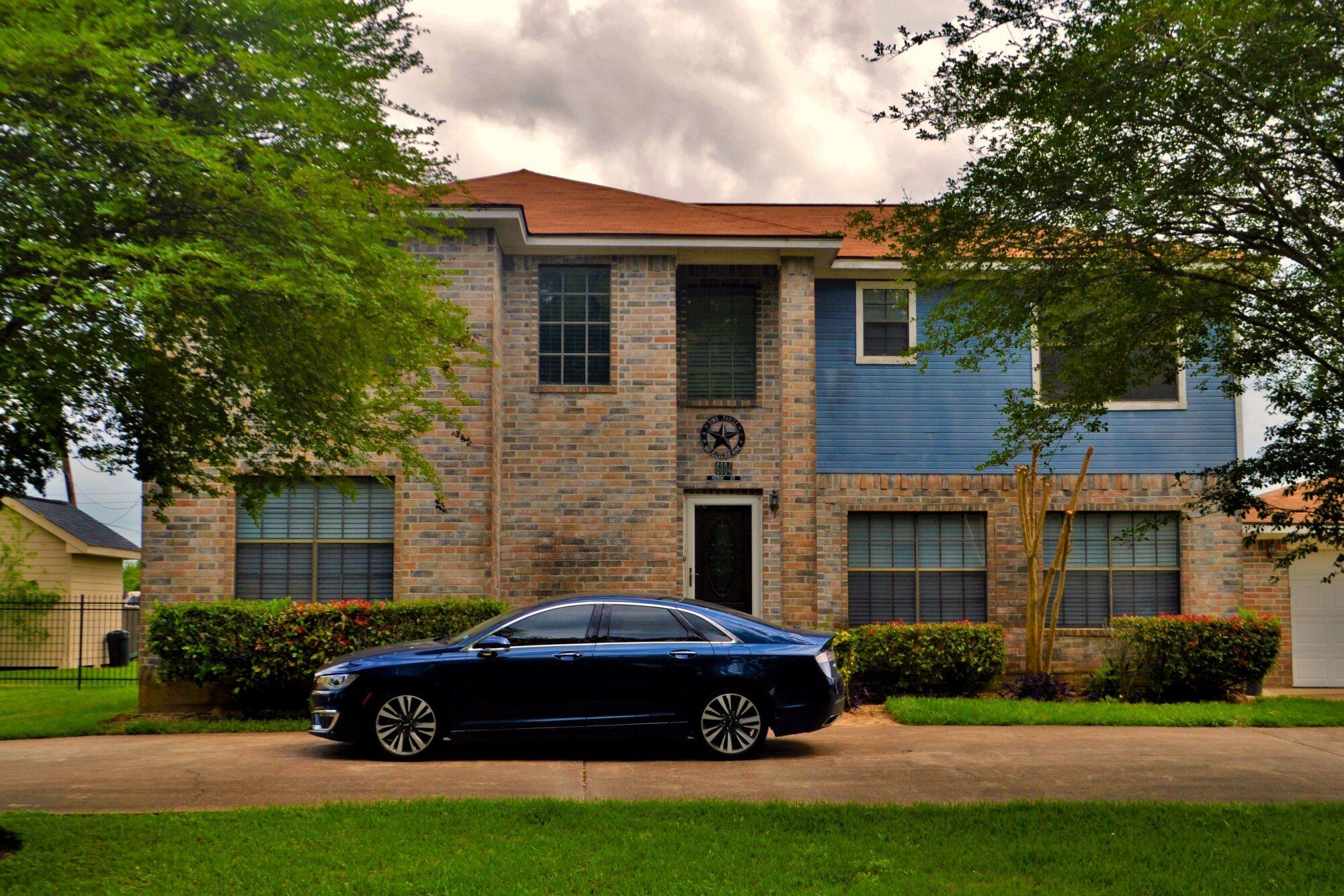
Dallas homes are becoming more resilient to climate change through airtight building envelopes, high-performance windows, storm-rated roofing, and smart water management systems that reduce heat gain, storm damage, and drought vulnerability. These upgrades lower utility costs, reduce insurance risk, and protect long-term property value.
By 2050, Dallas is projected to see about 39 days per year above 101.8°F, up from just 7 such days in a typical year around 1990, according to ClimateCheck. That’s not a distant forecast. It’s a preview of the summers your roof, windows, and HVAC system will need to survive.
For homeowners and investors alike, understanding these features is no longer optional. It’s the difference between a property that holds its value and one that quietly bleeds money through cracked shingles, spiking energy bills, and water damage.
What Makes a Dallas Home Climate-Resilient?
Sustainable home design typically starts with a tight building envelope, which keeps hot air out and cool air in during long summer months. Builders often add thick insulation and sealed foam layers, so the house does not have to fight so hard against the heat.
Dallas home features like these actually lower energy bills and keep rooms more comfortable year-round.
How Do These Homes Stand Up to Storms and Extreme Heat?
Residential windows for Dallas homes now block a good deal of harmful sun rays, which keeps furniture from fading and rooms from overheating. Roofs, meanwhile, get sturdier materials that can handle hail and strong winds without cracking or lifting.
A few upgrades work together to protect a house from nearly every angle:
- Impact-resistant shingles rated for hail
- Sealed underlayment that stops water from seeping in
- Stronger nailing patterns that resist wind uplift
Water Management and Drought Resilience
Climate change resilience often depends on how a home handles water, both too little and too much.
Rainwater tanks and low-flow fixtures help a house use less water overall, which matters quite a bit during dry stretches. Permeable landscaping and better drainage cut down on flooding after heavy rain, so the yard drains instead of pooling.
Materials and Wildfire-Resistant Construction
Some builders now use concrete-based wall systems instead of standard wood framing, and these hold up fairly well against fire and storm damage. Environmentally friendly homes built this way tend to need less upkeep, typically over time.
Metal roofing and non-wood siding add another layer of protection against sparks and embers.
Local Programs Supporting Resilient Upgrades
Climate-ready properties get a boost from city programs that make upgrades more affordable for homeowners. Rebates and training programs still help cover costs and build a stronger pool of skilled contractors nearby.
A few local resources make these upgrades easier to access:
- Rebates for insulation, windows, and solar panels
- Training programs for energy-efficient construction workers
- City targets pushing new homes toward net-zero energy use
Resilience Is the New Standard in Dallas Homes
Dallas homes are adapting to a hotter, stormier climate through smarter insulation, storm-resistant roofing, efficient HVAC systems, and thoughtful water management. Together, these features cut utility costs, reduce storm- and drought-related damage, and strengthen resale value in a market where buyers increasingly expect durability built in from the start. Local rebate programs make many of these upgrades more affordable than most homeowners realize.
Read more on our website to find the right resilience upgrades for your home.