New Report Shows Data Centers Could Strain Our Texas’ Grid
- Data centers drive surge in power demand, exceeding new generation capacity.
- Texas relies on fossil fuels despite growth in renewables, facing equipment and permit delays.
- Experts warn of potential power outages as data centers' continuous operation alters peak usage patterns.
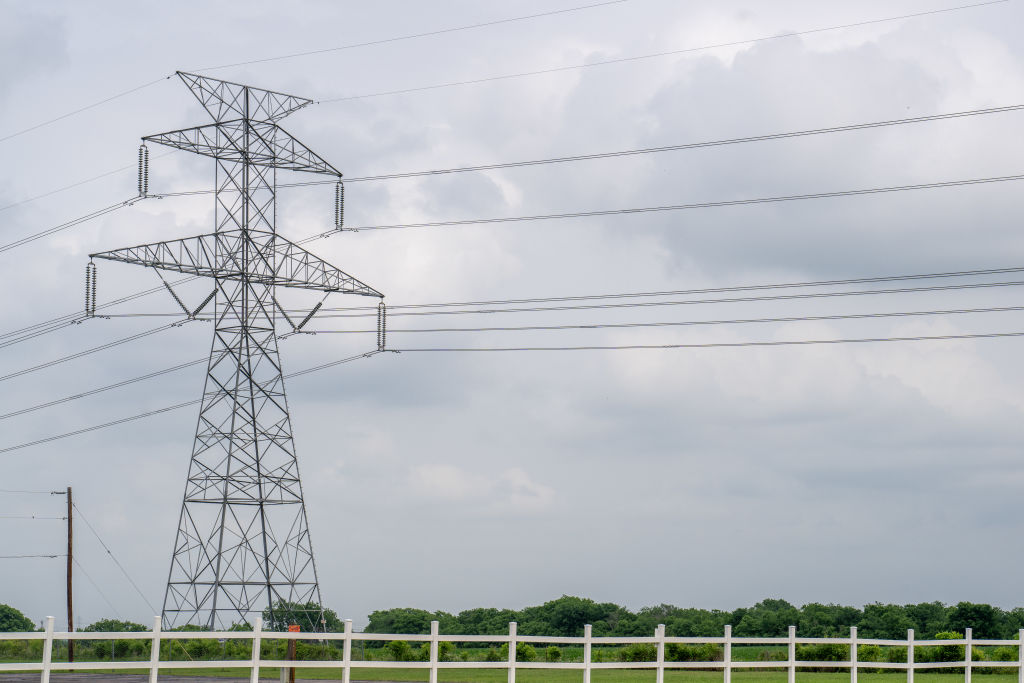
A new report highlights concerns about the strain on Texas’ power grid this winter due to the growing data center industry. Following the devastating winter storm in 2021, residents like Dolores Hidalgo fear potential power outages. The North American Electric Reliability Corporation’s assessment indicates that ERCOT could face challenges this winter, with data centers contributing to increased demand. While Texas has added more power generation capacity, the rapid growth of data centers could impact the grid’s stability. Despite low outage probabilities in January, experts warn that data centers’ continuous operation could alter peak power usage patterns and pose future challenges.
Texas grid operator ERCOT has about 226 gigawatts of large load customers in its interconnection queue as of November. That’s nearly quadruple what it reported at the end of 2024, at 63 GW.


About 77% of that load comes from large data centers aiming to connect to the power grid by 2030, ERCOT said in a filing ahead of its board meeting next week.
The interconnection requests far exceed the new power generation that ERCOT expects will come online in the coming years, fueling concerns about reliability. Between 2024 and 2025, about 23 GW of new generation capacity was added to the grid, ERCOT reported. Another nine GW is slated for early 2026.
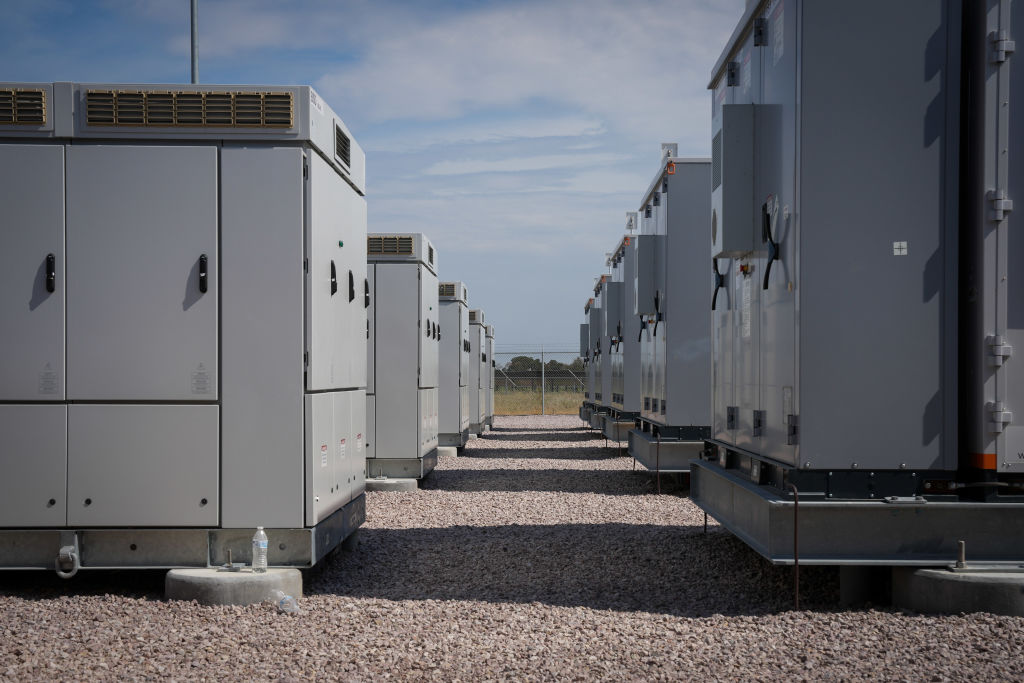
Even if some of ERCOT’s large load requests don’t materialize, the grid operator will inevitably have to bring on new generation to keep up with growing demand from data centers, crypto miners, and industrial facilities.
In recent years, Texas has led the U.S. in getting new renewables online. According to a February report from BloombergNEF and the Business Council for Sustainable Energy, Texas added nearly 10 gigawatts of new solar capacity in 2024. And of the 317 GW in renewables projects that applied to ISOs for interconnection last year, the majority were in Texas.
That said, the state has also put pressure on the industry to build more fossil fuel infrastructure to meet load growth. In 2023, Texas lawmakers created the Texas Energy Fund to spur the construction of new gas power plants, arguing that it would improve grid reliability. The state funneled up to $9 billion into the fund via low-interest loans and grants.
But as of early November, at least eight projects — representing around 35% of the capacity proposed initially — have withdrawn from the pipeline. The withdrawals were mainly due to a range of delays, including problems securing both permits and equipment. A data center-fueled run on gas turbines has driven up prices, and they are expected to get more expensive and scarcer over the next five years.
Most of the interconnection requests on the generation side are coming from solar and energy storage, according to ERCOT’s filing. There are about 432 GW of requests in the pipeline, and solar and energy storage account for 77%.