Remote worksites are putting balanced nutrition on the safety agenda
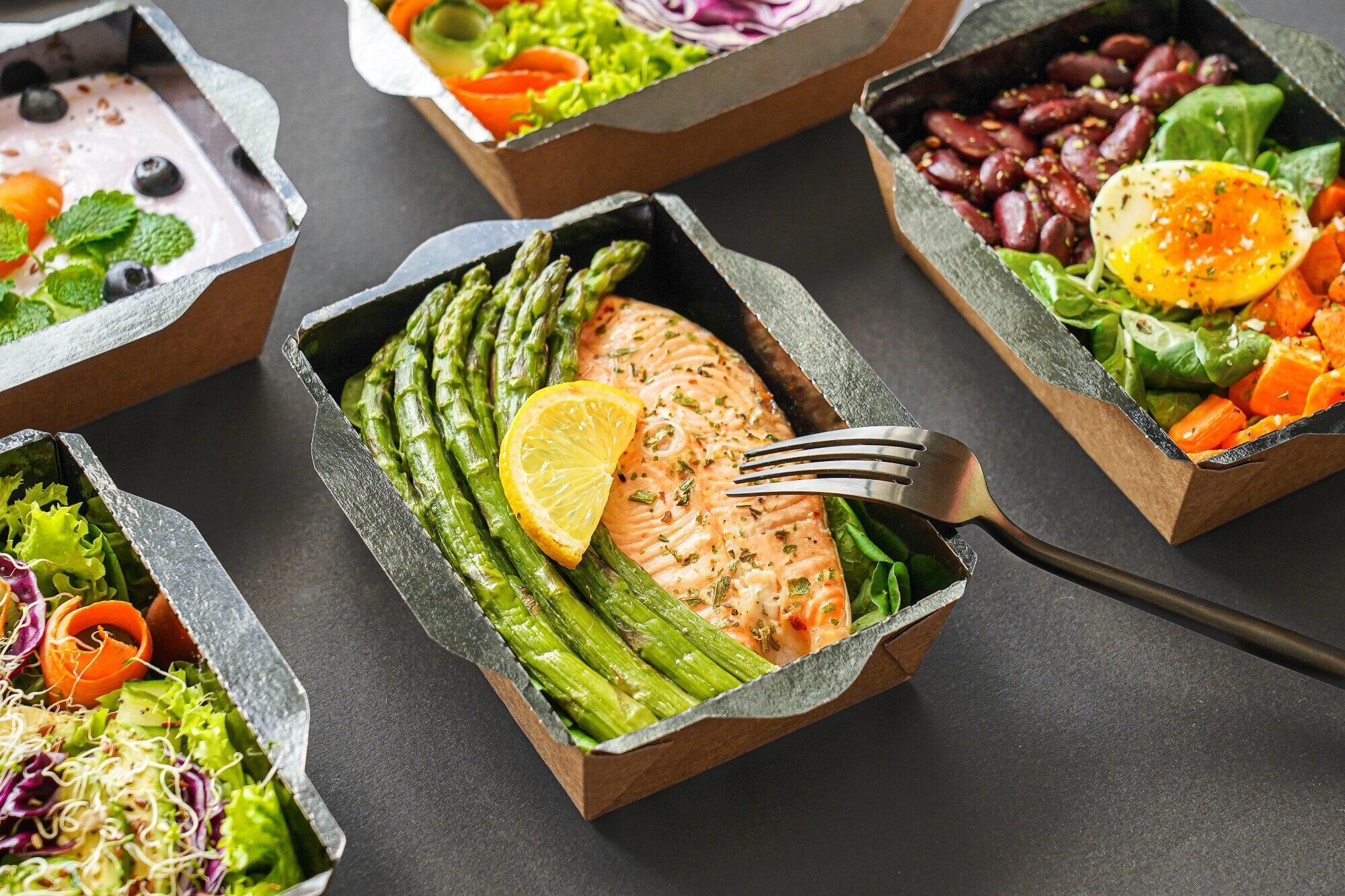
Keep workers alert and active by providing meals with balanced nutrition. Instead of worrying about packing lunch or searching for options, companies can eliminate this problem by keeping healthy, catered meals and snacks on hand.
48% of workers with food perks eat the provided workplace snacks or beverages up to 4 times per week, according to Shortlister. This shows that this service won’t be wasted and can add to team morale.
What Defines Balanced Nutrition?
Balanced nutrition should include a mix of protein, complex carbs, and healthy fats. Complex carbs like veggies and whole grains give steady energy, while protein from eggs and lean meats aids muscles.
Proper hydration is also essential, and extra amounts may be needed on hotter days. In addition to water, enjoy coconut water and hydrating fruit like watermelon and pineapple.
Good nutrition prevents cognitive fatigue and helps you have enough energy to do the required physical labor throughout the day. That’s why access to healthy eating at worksites matters.
Why Does Remote Site Nutrition Matter So Much?
Worksite health and safety are intertwined with nutrition, as it helps people avoid poor decision-making or fatigue that can slow crews down.
Being well fed builds immunity and faster healing from injury.
Employee morale is boosted when jobs provide good meals and snacks. It’s a sign that jobs care about safety and wellness.
This perk can also help people save money and avoid spending lunch finding places to eat, time that can quickly eat away at a lunch hour.
What Industries Often Use These Services?
These businesses come in handy for companies that operate off-site or in isolated conditions where it’s hard to have a regular kitchen.
A remote caterer often handles food for:
- Film and television crews
- Government defense
- Field expeditions
- Large-scale construction
- Mining oil and gas
What Can Worksite Catering Do to Help?
Quality remote site catering provides portion-controlled meals with rotating options and clean ingredients. Caterers should be mindful of how much sugar and salt are in meals and provide plant-forward options.
They should also accommodate allergies and diet restrictions that focus on:
- Veganism
- Vegetarianism
- Halal
- Gluten-free needs
Make sure everything is clearly labeled.
Packaging matters as workers can quickly use grab-and-go features from grain bowls to bento boxes.
Get Feedback
Find out how workers and other staff feel about your meal service. Use surveys to learn about their dietary needs and what the most popular dishes are. Consider requests for new items to keep everyone pleased.
Culture can also have an impact with catering options tailored to reflect the average workstaff demographic. Rotating menus can feature various global cuisines daily or weekly.
Nutrition and Workplace Safety Go Hand in Hand
Worker safety goes beyond functional equipment and protective gear. While these things matter, access to balanced nutrition is equally essential, as it keeps people fueled with necessary nutrients and hydration throughout the day.
Luckily, remote catering services can bring food to you regardless of your location. Workers often enjoy perks, from snacks to quality breaktime meals, as it’s one less thing to worry about, making the job easier.
If you enjoyed this content, search our website for more relevant articles.





