Daily Dilemma: Cringe At The Alter
At the altar, the air is usually thick with romance and the scent of lilies. But for one bride that’s going viral, the atmosphere shifted when the officiant reached the traditional line: “Do you promise to love, honor, and obey?” Without missing a beat, she stopped the ceremony, looked her groom in the eye, and simply said, “I’m not saying that word!”
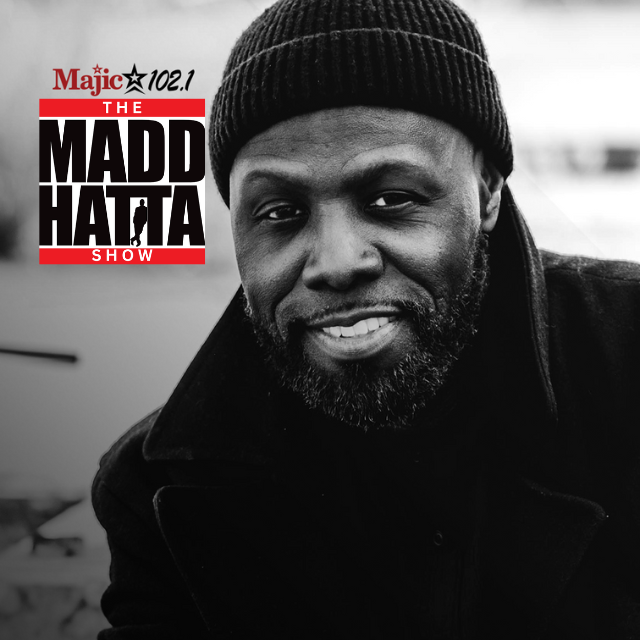
The moment, captured in a viral clip shared on my @therealmaddhatta’s and the @majic1021 Instagram pages, has sparked a firestorm of debate across the Bayou City. Is this a doomed start to a marriage, or is it a radical act of self-sovereignty?
The Court of Public Opinion



The comment section under Madd Hatta’s post became a digital battlefield for tradition versus progression. One user, @HoustonHottie86, cheered: “She’s not a child, she’s a partner. Why are we still using 16th-century language for 2026 love?” On the flip side, @DeaconJones713 argued the traditionalist stance: “Marriage has an order. If you can’t submit to the vows, don’t stand at the altar. This union is already on shaky ground.”
By The Numbers
The post posed a heavy question to his followers: “Is this relationship doomed or is she justified?” The results were telling:
- 74% of respondents voted “Justified,” citing that “obey” is an outdated relic of patriarchal property laws.
- 26% voted “Doomed,” believing that a public disagreement during the ceremony signals deeper communication issues.
The Essence of Partnership
Black women, are saying that they are reclaiming their voices. Choosing to omit “obey” isn’t about a lack of respect; it’s about ensuring that the foundation of the home is built on alignment, not authority. Whether you’re a traditionalist or a trailblazer, one thing is clear: in 2026, the strongest “I Do” is the one spoken with total agency.
Check out the post below on the @therealmaddhatta Instagram page and leave your thoughts.